Australia - Apparel
1,000 pieces. Three months later — completely sold out.
66%
MOQ reduced
3 mo
To sell out
$30K
Reorder placed
About the Client
Charlie is an Australian influencer who set out to build her own fashion brand. OJO provided end-to-end support for the brand's development, including initial small-batch product testing and identifying the right apparel manufacturing partners in China.
From Influencer to Brand Owner
I'm an influencer based in Australia. I'd built up a decent following over the years, and for a while I'd been thinking about turning that into something more tangible — my own clothing brand. But starting a brand from scratch is a different kind of challenge. I knew early on that the decisions you make at the beginning — which supplier you choose, how you manage quality, how you size your first order — can either set you up or quietly sink you before you even get going.
That's when a friend introduced me to Emily, who handles sourcing at OJO. She explained that they help overseas brands find manufacturers in China and manage the supply chain end to end. Honestly, I wasn't fully sold at first. I just wanted to test them — see if they could do a proper supplier screening and qualification check, and whether they actually knew what they were doing.
A Report That Changed Our Mind
The report they came back with was not what I expected. It wasn't a list of factory names. It was a real breakdown — equipment conditions, QC processes, shipping records, and a handful of risk flags I wouldn't have even thought to ask about. For someone just starting out, that kind of information is genuinely valuable. It was also what made me trust them enough to take the next step.

Flying into Guangzhou — the starting point of every factory visit
Visiting Factories in Guangzhou
We ended up flying to Guangzhou to visit the factories in person. Emily was with us the whole way, walking us through different manufacturers side by side and helping us navigate the negotiations. What stood out to me was that her approach wasn't to just push for the lowest price and call it a day. She wanted to get the quality, production capacity, and working details nailed down first — then talk price. That's actually rare. A lot of sourcing agents look like they're fighting for you, but they're really just trying to close the deal quickly. Emily felt different. She wasn't going to rush us into something sloppy just to get it done.
Breaking Down the MOQ Barrier
One of the suppliers we liked came with a catch: a minimum order quantity of 1,000 pieces per colorway. I had three colors in my first collection, which meant a minimum of 3,000 pieces total. For a brand that's still figuring out whether the market wants what you're making, that's a lot of inventory to bet on. The financial pressure alone was significant, let alone the risk of sitting on stock that doesn't move.
OJO didn't just shrug and say "that's how it works." They went back to the factory and kept pushing — back and forth, round after round — until they got the manufacturer to agree to 1,000 pieces total across all three colors. I genuinely didn't think that was going to happen. Factories don't usually budge on MOQs. But they made it work. And in that moment, I knew they were actually on my side — not the factory's side, not just trying to get a deal over the line, but genuinely solving my problem.
Building trust on the ground — client and OJO team in China
Advice That Saved Us Money — Not Advice That Made Them Money
Then Emily did something that stuck with me even more. When we were figuring out what to do with the 1,000 pieces once they were ready, she told me there was no reason to rush everything to Australia at once. She walked me through the numbers herself — different logistics options, storage costs, timelines — and pointed out that for a first run this size, a lot of freight companies already offered competitive enough rates that I didn't need to pay for any kind of "all-inclusive" managed service. The whole point of this first order was to test the market. Shipping everything over in one go and loading up on inventory costs before I even knew how things would sell just didn't make sense.
What I appreciated was that she didn't try to tie me into more of their services just because she could. She laid out the options and gave me back the decision. That kind of honesty is not something you take for granted.
Sold Out in Three Months
The 1,000 pieces sold out within three months. The response was genuinely good. That result gave me a lot of confidence — in the product, and in the approach we'd taken from the start. We went on to place a follow-up order worth around $30,000. And even at that stage, Jose still went through everything methodically — mapping out our requirements piece by piece before making any moves, not cutting corners just because we'd already worked together and the relationship was comfortable.
Why I'd Recommend OJO Without Hesitation
For me, the real value OJO brought wasn't just "finding a factory." It was having someone in my corner at every stage of building something from nothing — helping me keep the trial-and-error costs down, and steering me away from the kinds of decisions that seem fine at the time but quietly cost you later. When you're building a brand from zero, that kind of support matters more than most people realize going in.
So if anyone asks me whether OJO is worth working with — yes. But not because they're a good "sourcing agent." It's because they actually think about your situation and help you find the right balance between quality, cost, supplier fit, and what's actually realistic for where you are right now. That's why I kept working with them. And it's why I'd recommend them without hesitation.
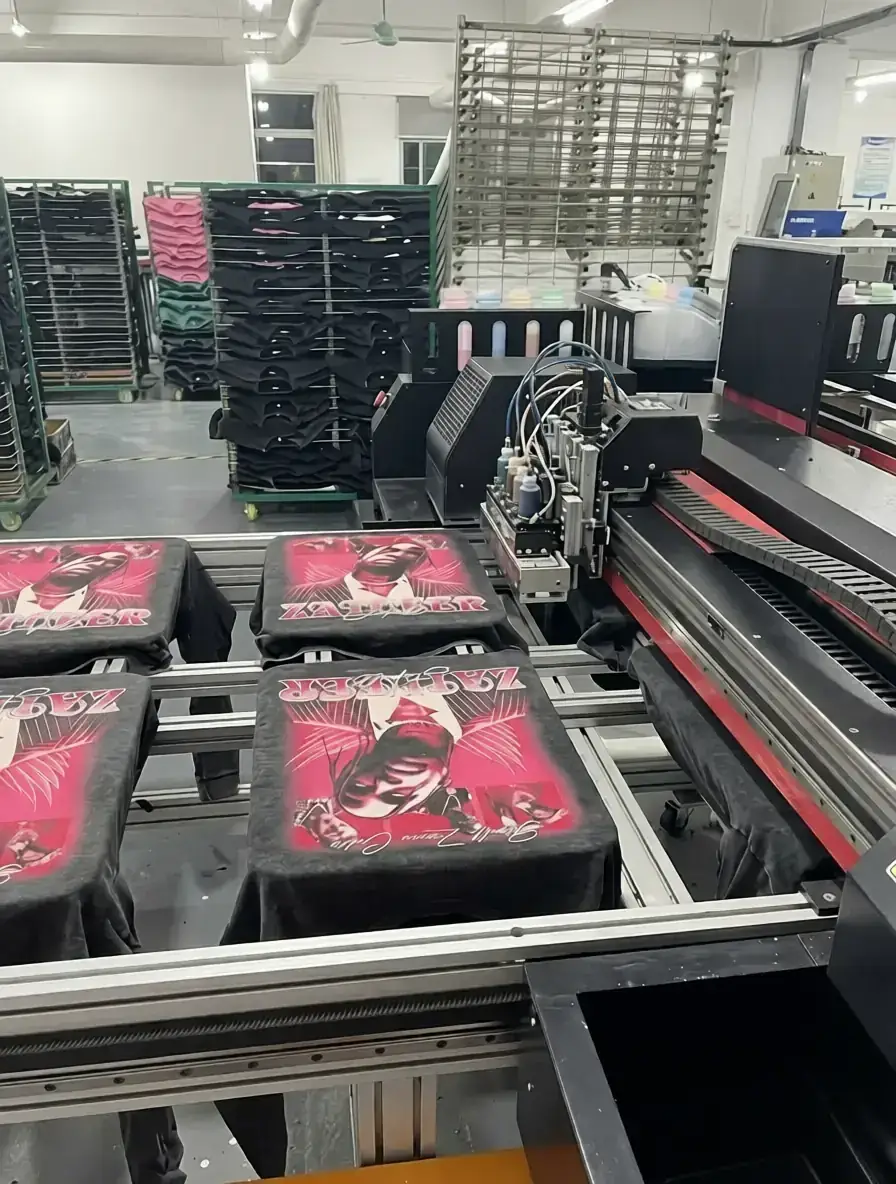
Behind the scenes: from Guangzhou factories to a sold-out collection
"I went from 'I can't afford to start' to 'I can't keep up with demand.' OJO made that possible."
— Charlie, Founder, Fashion Brand (Australia)